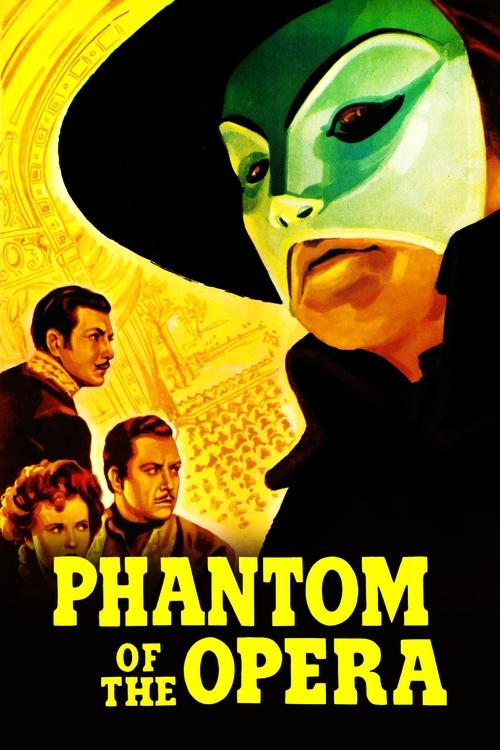
1943Nominee
Best Director
Phantom of the Opera

Actor · Director · Writer
Hal Mohr, A.S.C. (August 2, 1894 in San Francisco – May 10, 1974 in Santa Monica, California) was a famed movie cinematographer. He is known for his Oscar-winning work on the 1935 film, A Midsummer Night's Dream. He was awarded another Oscar for his work on The Phantom of the Opera in 1943, and received a nomination for The Four Poster in 1952. From a young age, Hal Mohr wanted to pursue a career in cinematography because he was curious to learn about how to make pictures move onscreen. He worked as a photo finisher in a photo lab to gain experience with the camera. When he was 19 years old, he filmed his first movie, Pam's Daughter, which, unfortunately, was never seen by the public because of problems with the motion picture distribution company. Although Mohr mainly worked as a cinema portraitist on movies such as The Wedding March, A Midsummer Night's Dream, and the Technicolor The Phantom of the Opera, he was passionate about exploring the limits of the camera. Mohr shot in deep focus years before Gregg Toland -- Bullets or Ballots and The Green Pastures were both shot in deep focus. He was inspired by the moving shots in the Italian movie, Cabiria, and developed a camera with special tracking abilities for his 1914 film, Pan's Mountain. Notably, Mohr is the only person to have won a competitive Academy Award without being nominated for it. In 1936, a write-in campaign won him the Best Cinematography Oscar for his work on A Midsummer Night's Dream (1935). The Academy later changed the Oscar rules, making write-in voting impossible. In 1944, Mohr became the first person to win an Oscar for both Black-and-White and Color cinematography when he won his second Academy Award, this time with W. Howard Greene for Best Cinematography in a Color Film, for their work on The Phantom of the Opera (1943). Mohr was nominated for an Academy Award for Best Cinematographer for his work on The Four Poster (1952), a film based on a play of the same name, written by Jan de Hartog. He was also nominated for a Golden Globe for Best Cinematography in a Black and White Film, for his work on the same movie. Other film cinematographer credits include Little Annie Rooney (1925), The Big Gamble (1931), Cheers for Miss Bishop (1941), Another Part of the Forest (1948) and The Wild One (1953). Mohr served as president of the American Society of Cinematographers from 1930 to 1931. Then, for two terms from 1963 to 1965 and finally from 1969 to 1970. He was one of the first members of the Academy of Motion Picture Arts and Sciences, and a senior member of the Academy's Board of Directors. He headed the Academy's Cinematography Branch for over 20 years, and was also a part of the Academy of Television Arts and Sciences. Before his death, he would travel the country promoting cameramen and the industry of cinematography. For his many contributions to motion pictures and the film industry, Hal Mohr received a star on the Hollywood Walk of Fame located at 6433 Hollywood Blvd.

Best Director
Phantom of the Opera
Best Director
Captain Blood
Best Performance
Topaz
Best Director
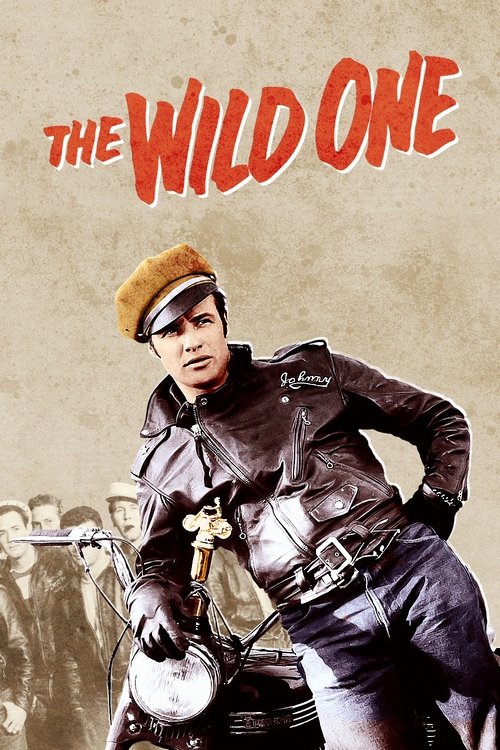
The Wild One
Best Director
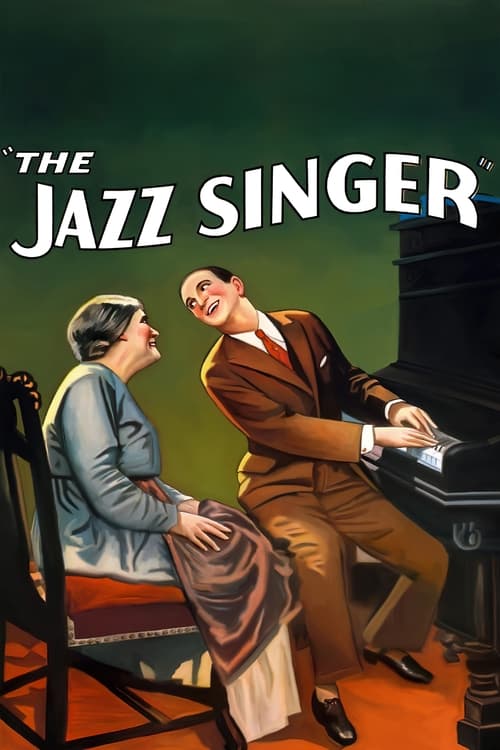
The Jazz Singer