1945Nominee
Career Highlight
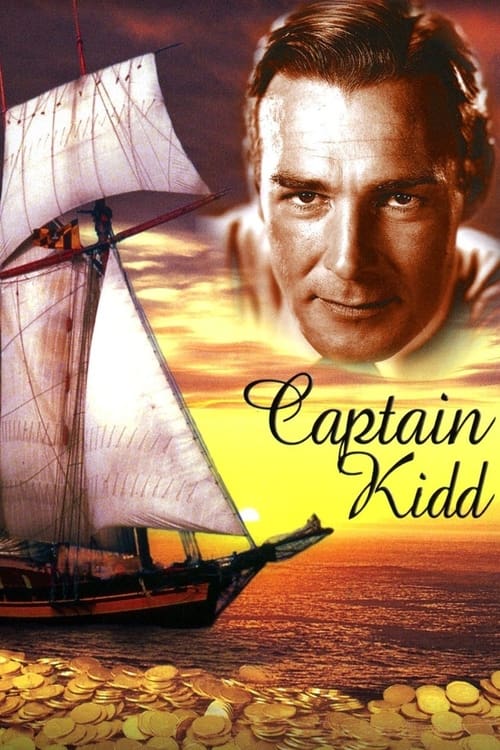
Captain Kidd
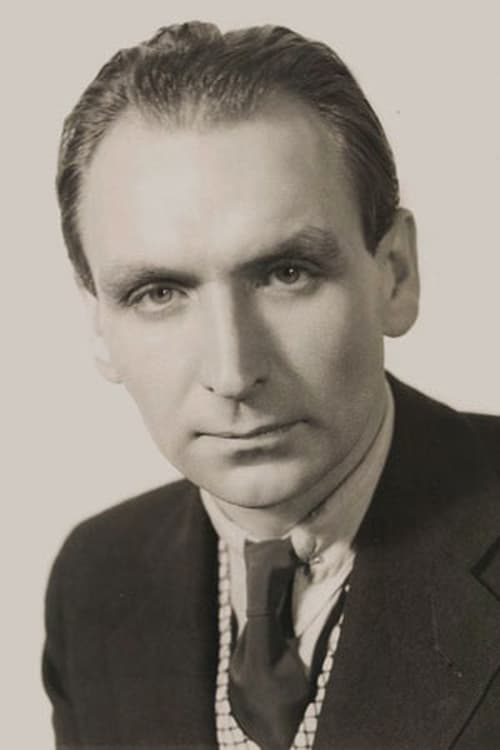
Director
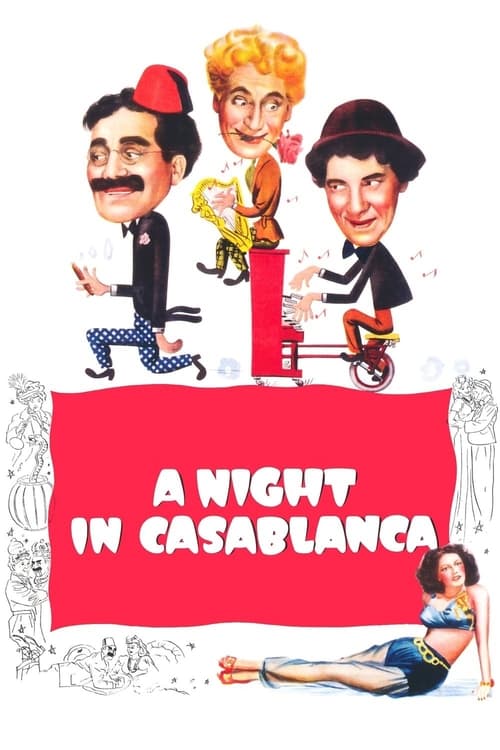
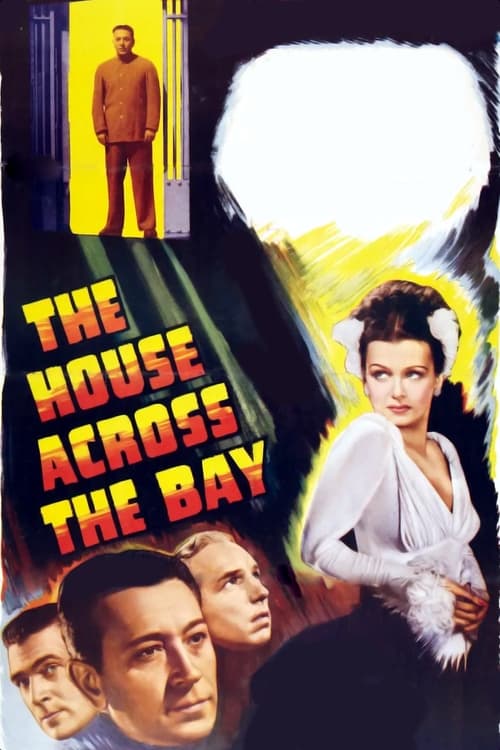
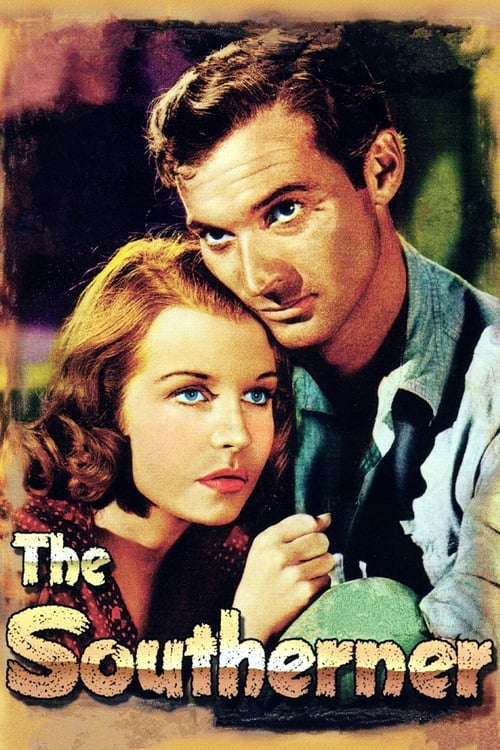
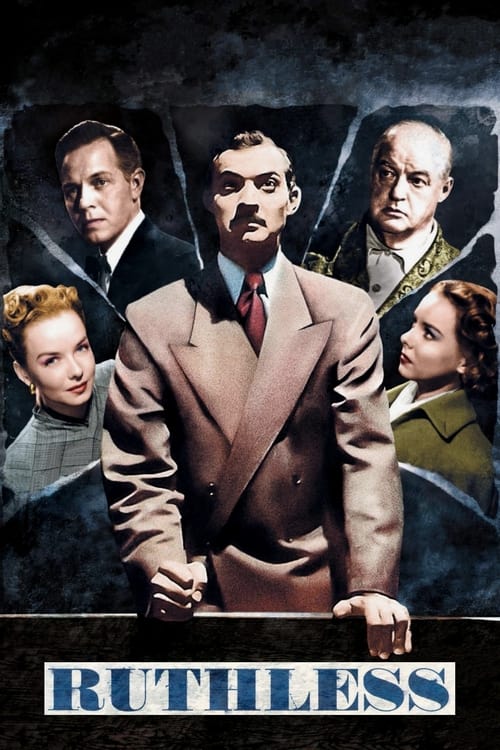
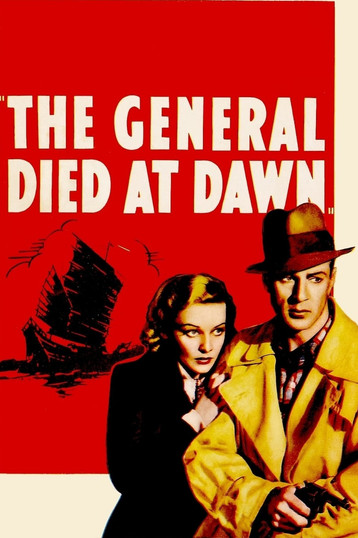
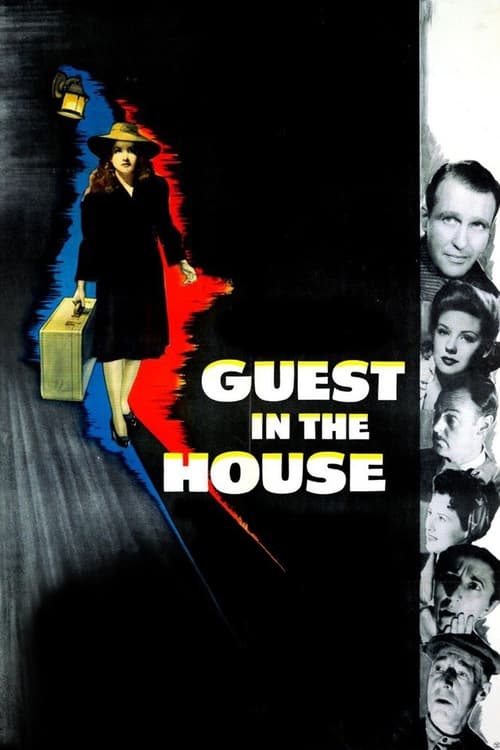
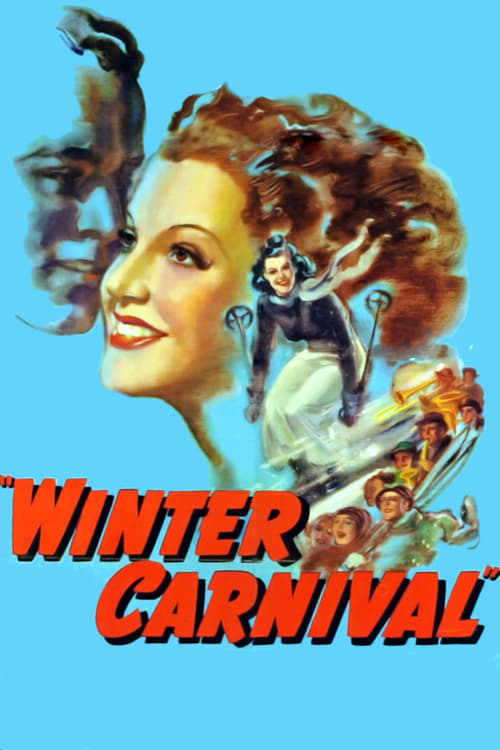
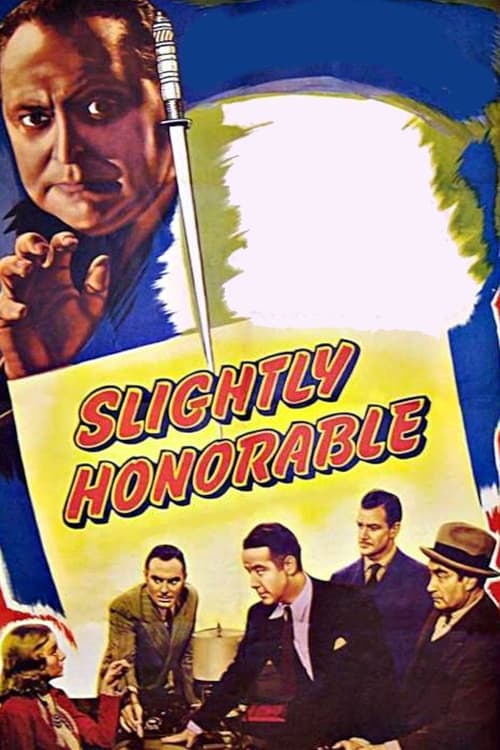
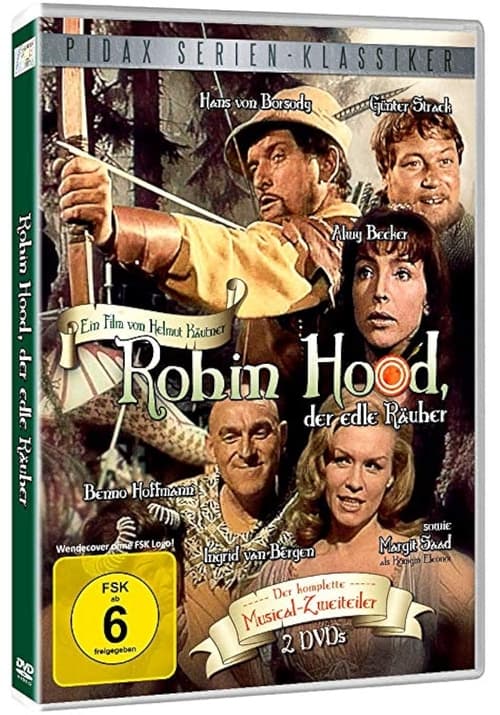
From Wikipedia, the free encyclopedia Werner Janssen (1937) Hans-Werner Janssen (1 June 1899 – 19 September 1990) was an American conductor of classical music, and composer of classical music and film scores. He was the first New York born conductor to lead the New York Philharmonic. Janssen was born in New York City on 1 June 1899. His father was a New York restaurateur, founder of the Janssen Hof Brau Haus on Broadway. The family lived in Great Neck on King's Point Road next door to musician George M. Cohan. It was Cohan who encouraged young Werner to continue to play piano and explore his passion for music. Cohan describes the interplay of families as he states, "I'll hold to my dying day that Werner became a musician because his dad made him practice the piano all day to keep me awake, just to get even with me for playing all night and keeping him awake." Werner recounts that his first two music students were the daughters of George M. Cohan, whom he taught in their home. As a teenager Werner remembers hearing the first renditions of "Over there" from across the fence between the houses. Cohan reflects on those days writing to Werner's father, "those were golden days when you were singing songs and I was trying to write them down next door—they were in fact the happiest of all any days as I look back on them now." While Janssen filled roles as guest conductor, he was also contracted to write film music. His first credited film score was for The General Died at Dawn (1936), which was nominated for an Academy Award, the first of six Janssen scored films to be nominated. In 1939, he resigned his position with the Baltimore Symphony Orchestra to work with film producer Walter Wanger. He composed several other film scores including Blockade (1938), Winter Carnival (1939), Eternally Yours (1939), Slightly Honorable (1940), The House Across the Bay (1940), Guest in the House (1944), The Southerner (1945), Captain Kidd (1945), A Night in Casablanca (1946), Ruthless (1948), and Uncle Vanya (1957), starring and co-directed by Franchot Tone. He was also responsible for the score for the 1966 German television production Robin Hood, der edle Ritter (Robin Hood, the Noble Knight). He continued to write non-film compositions too, including the Foster Suite (1937), the String Quartet No. 2 (1938), the Octet for Five (1965), and the Quintet for 10 Instruments (1968). In 1940, he formed the Janssen Symphony in Los Angeles, which became a rival organization to the Los Angeles Philharmonic and a forum for contemporary music until 1952. Compositions for this were commissioned from American composers. This group performed and recorded film music, musical theater works, and contemporary musical scores. Numerous recordings were made by Janssen and this orchestra for Capitol Records. Janssen formed a partnership with producer David L. Loew to produce the Musicolor series of classic musical shorts, including Toccata and Fugue (1946) and Enchanted Lake (1947), both filmed in Cinecolor.



Career Highlight
Captain Kidd
Career Highlight
A Night in Casablanca
Career Highlight
The House Across the Bay
Career Highlight
The Southerner
Career Highlight
Ruthless